

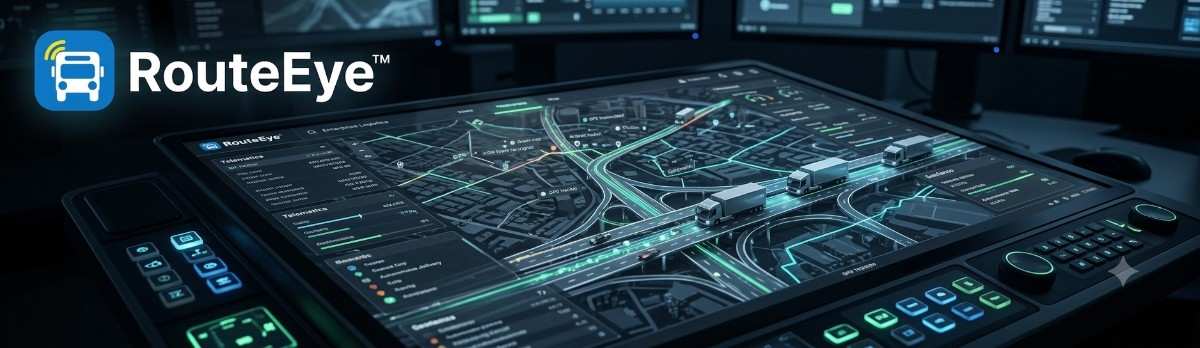
Managing modern logistics operations requires absolute operational visibility across every kilometer. Outdated tracking methods, delayed delivery statuses, excessive vehicle idling, and unexpected breakdowns ruin razor-thin margins. To eliminate these issues, forward-thinking logistics leaders are turning to real-time vehicle tracking software.
Platforms like RouteEye Vehicle Management Platform provide fleet managers with a powerful centralized control center to track assets, mitigate risks, and lower operating costs.
The Operational Pain Points Facing Fleet Managers
Logistics managers consistently face identical execution obstacles across enterprise supply networks:
- Uncontrolled Fuel Waste & Excess Idling: Without second-by-second telematics monitoring, prolonged engine idling and unauthorized detour runs severely inflate fuel bills.
- Delayed ETA Communications: Manual updates to dispatchers and customers create communication bottlenecks and lower customer satisfaction.
- Safety & Compliance Gaps: Overspeeding, sudden braking, and expired driver licenses or insurance policies expose companies to legal and safety risks.
- Data Silos in Fleet Operations: Managing vehicles, drivers, maintenance schedules, and site permissions in separate spreadsheets causes operational delay.
Implementing an integrated SaaS fleet management system transforms fragmented vehicle telemetry into clear operational insights.
Core Capabilities of Modern Fleet Tracking Software
To build a resilient supply chain, your logistics platform must offer capabilities beyond standard pin-on-a-map positioning.
1. Second-by-Second Telematics & Live Map Display
Modern real-time vehicle tracking software pairs high-precision GPS hardware with GSM transmission to stream location updates continuously. Interactive dashboard portals allow dispatch crews to toggle between active, idle, stopped, and offline vehicles instantly.
Copied!┌─────────────────────────────────────────────────────────┐ │ RouteEye Dashboard │ ├───────────────┬─────────────────┬───────────────────────┤ │ Active Fleet │ Idle Alerts │ Compliance Due │ │ 1,250 Units │ 12 Vehicles │ 3 Renewals Pending │ └───────────────┴─────────────────┴───────────────────────┘
2. Automated Anomaly Detection & Multi-Channel Alerts
When a haul truck strays off its planned corridor or idles at an unscheduled stop, the system triggers immediate anomaly alerts. High-performing systems send real-time notifications via WhatsApp, SMS, Email, and Slack.
3. Comprehensive Driver & Maintenance Management
Logistics security requires managing driver documentation alongside hardware telematics. A unified portal keeps driver licenses, insurance certificates, and vehicle service logs updated with automatic expiration warnings.
4. Smart Geofencing & Work-Site Automation
Establish custom virtual geofence boundaries around warehouses, ports, or delivery terminals. The software automatically records exact timestamps for site entry and exit, eliminating manual gate registers.
Feature Comparison Matrix: Legacy Tracking vs. Next-Gen Platforms
| Capabilities | Traditional GPS Trackers | RouteEye Real-Time Vehicle Tracking Software |
|---|---|---|
| Data Refresh Rate | Delayed (2–5 Minutes) | Real-Time (1–10 Seconds) |
| Alert Infrastructure | Basic Email / App Only | WhatsApp, SMS, Email, Slack, In-App |
| Geofencing Support | Simple Circles Only | Custom Multi-Point Work-Site Boundaries |
| API Integration | Expensive Custom Dev | Open API / PaaS Ready out-of-the-box |
| Asset Monitoring | Vehicle Position Only | Vehicles, Drivers, Documents & Maintenance |
Step-by-Step Implementation Strategy for Logistics Fleets
Transitioning your commercial fleet to automated real-time vehicle tracking software requires a straightforward four-step plan:
Copied![Phase 1: Asset Onboarding] ➔ [Phase 2: Geofence Setup] ➔ [Phase 3: Telematics Sync] ➔ [Phase 4: Analytics Deployment]
- Audit & Onboard Fleet Assets: Register all active trucks, trailers, vans, and drivers within the software dashboard.
- Define Dynamic Geofences: Establish precise boundary corridors around primary logistics hubs, distribution centers, and high-risk transit zones.
- Configure Anomaly Rules: Set customized thresholds for speed limits, idle times, and off-route tolerances to trigger automated alerts.
- Leverage Historical Analytics: Analyze route replays and vehicle usage trends to optimize fuel consumption and lower operational costs.
Take Complete Control of Your Logistics Fleet
Achieving peak operational efficiency across your logistics network requires real-time control, automated safety alerts, and seamless asset management.
Discover how enterprise telematics can simplify your fleet logistics by requesting a personalized demo with RouteEye Vehicle Management Systems today.
Check out this overview of RouteEye Logistics Platform Solutions to see how modern telematics systems help manage vehicle inventory, optimize routes, and reduce fuel operational costs.

Leave a Reply