

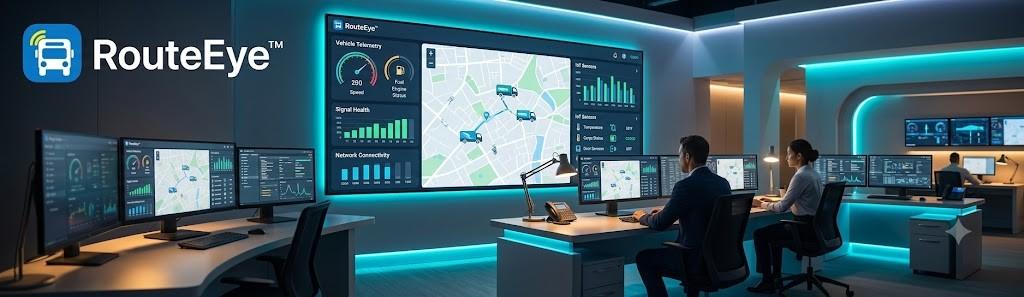
Modern fleet operations depend heavily on hardware infrastructure. From core GPS trackers and cellular M2M SIM cards to in-cabin driver consoles, gate sensors, and cargo temperature monitors every single vehicle relies on a network of connected devices to stay safe, compliant, and on schedule.
However, telematics hardware is only as strong as your ability to monitor it. When a GPS tracker loses power, an IoT sensor goes offline, or a cellular SIM disconnects mid-route, blind spots occur. These gaps can quickly lead to delayed shipments, unrecorded asset usage, and missed safety alerts.
A dedicated real-time fleet device monitoring dashboard provides a central control center designed to give fleet managers complete visibility over every connected device, hardware module, and telematics asset in their ecosystem.
What is a Fleet Device Monitoring Dashboard?
A fleet device monitoring dashboard is a unified, real-time command screen that aggregates incoming telemetry data from all hardware installed across your fleet.
Unlike basic mapping tools that only show a dot on a map, a comprehensive device monitoring interface tracks both where your vehicles are and how your hardware is performing. It continuously measures signal health, connectivity status, hardware power levels, and sensor outputs to ensure zero operational downtime.
Key Features of Advanced Device & Hardware Monitoring
1. Centralized Device Health & Watchdog Tracking
- Live Connection Status: Instantly see which tracking units are online, idle, buffering, or offline.
- Hardware Disconnect & Battery Alerts: Receive proactive warnings if a device is physically unplugged, loses main power, or drops below critical voltage thresholds.
- M2M SIM & Cellular Connectivity: Monitor data usage, signal strength, and network status for cellular SIM cards powering your telemetry.
2. Multi-Sensor Telemetry Integration
- Door & Gate Sensors: Track real-time door open/close status to secure cargo during transit and log loading dock arrivals.
- Temperature & Cold-Chain Sensors: Monitor environmental conditions inside refrigerated units to maintain product integrity and safety compliance.
- Fuel & Engine Diagnostics: Connect to CAN bus interfaces and fuel level sensors to detect sudden drops, unauthorized usage, or mechanical fault codes.
3. Driver Consoles & Interactive Display Syncing
- Driver Terminal Oversight: Verify that in-cabin display tablets or mounted consoles are active and properly receiving assigned route guidance.
- RFID & NFC Scanner Monitoring: Ensure passenger or driver authorization scanners are active and logging check-ins in real time.
- Passenger & Bus Stop Display Health: Monitor the connectivity of digital display screens inside transit vehicles and at stops to guarantee accurate ETA delivery.
4. Automated Anomaly Detection & Omnichannel Alerts
- Instant Disruption Alerts: Set automated triggers for signal loss, unauthorized location deviations, or unexpected sensor triggers.
- Multi-Channel Dispatch: Receive real-time alerts via SMS, Email, WhatsApp, or instant messaging platforms so operations teams can respond immediately.
Why Centralized Device Monitoring Matters for Fleet Operations
Copied!+-------------------------------------------------------+ | Central Device Monitoring Dashboard | +---------------------------+---------------------------+ | +-------------------------+-------------------------+ | | v v +-------------------+ +-------------------+ | Proactive Maintenance | | Data Integrity & | | & Zero Blindspots | | Fast Response | +-------------------+ +-------------------+ • Hardware fault warnings • 100% route visibility • Battery & power loss alerts • Instant anomaly detection • Unplugged device detection • Accurate ETA calculations
Eliminates Telematics Blind Spots
When hardware failures go unnoticed, unrecorded miles and untracked idle time accumulate. Continuous device health monitoring ensures equipment issues are flagged for repair before vehicles depart on critical routes.
Maximizes Asset Protection & Cargo Safety
With integrated door, temperature, and vibration sensors monitored in real time, high-value assets and sensitive cargo remain protected against theft, unauthorized access, and environmental damage.
Unifies Multi-Vendor Hardware Systems
Enterprise fleets often utilize hardware from multiple vendors. A device-agnostic monitoring dashboard consolidates tracking devices, sensor setups, and display screens into a single operational interface.
Elevate Fleet Performance with Real-Time Device Oversight
Modern telematics management requires proactive device maintenance rather than reactive troubleshooting. By centralizing hardware diagnostics, sensor telematics, and connectivity tracking into one real-time dashboard, fleet operators safeguard data integrity, improve response times, and run safer, more efficient mobile operations.

Leave a Reply