

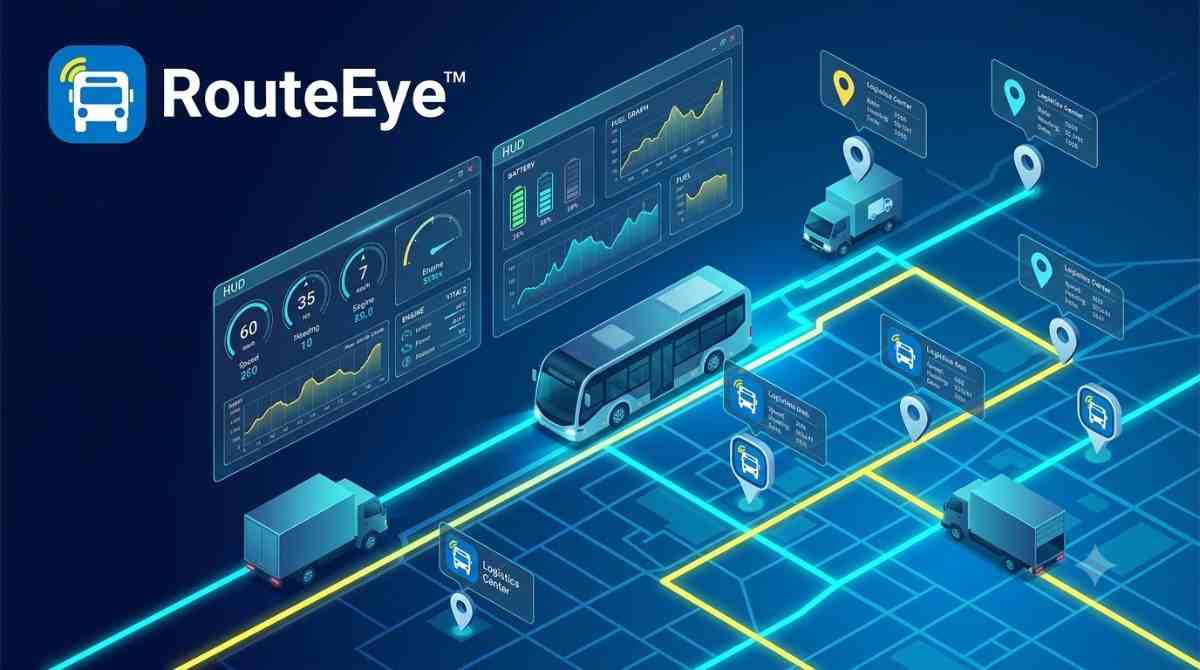
Modern logistics networks face mounting pressures from rising fuel costs, unpredictable transit delays, and heightened customer expectations for real-time visibility. Traditional management approaches no longer cut it. Achieving resilience today requires adopting next-gen supply chain optimization a data-driven model that integrates live telematics, automated route planning, and predictive analytics across your entire fleet.
1. Shift from Reactive to Real-Time Fleet Visibility
Static tracking schedules leave managers reacting to delays long after they occur. With real-time telematics platforms like RouteEye, dispatchers gain immediate visibility into vehicle locations, route adherence, and active transit statuses. This continuous monitoring enables instant adjustments before minor delays spiral into costly logistical bottlenecks.
2. Streamline Fuel Costs and Routing Efficiency
Fuel consumption remains one of the largest expenditures in transport operations. Dynamic route planning continuously adjusts paths based on live traffic, weather patterns, and delivery priority. Paired with geo-fencing and automated alerts for excessive idling or unauthorized detours, intelligent routing drastically cuts unnecessary mileage and lowers carbon emissions.
3. Leverage Proactive Safety and Driver Intelligence
Logistics efficiency depends heavily on driver safety and vehicle upkeep. Modern fleet platforms monitor driver behavior in real time tracking metrics like over-speeding and sudden braking while providing in-cab feedback and SOS support. Automated alerts for scheduled maintenance ensure your assets stay on the road, minimizing unscheduled downtime.
4. Build End-to-End Operational Transparency
A truly optimized supply chain breaks down information silos across managers, drivers, and clients. Integrating open-API telematics platforms with existing ERP or TMS infrastructure delivers automated insights and automated reporting straight to key stakeholders. Whether managing airport ground handling, cold-chain pharma deliveries, or campus transit, full transparency drives consistent operational excellence.
Implementing next-gen supply chain optimization transforms fleet management from a cost center into a competitive advantage. By leveraging real-time data, automated safety controls, and intelligent routing, logistics leaders can protect profit margins while delivering superior reliability.

Leave a Reply