

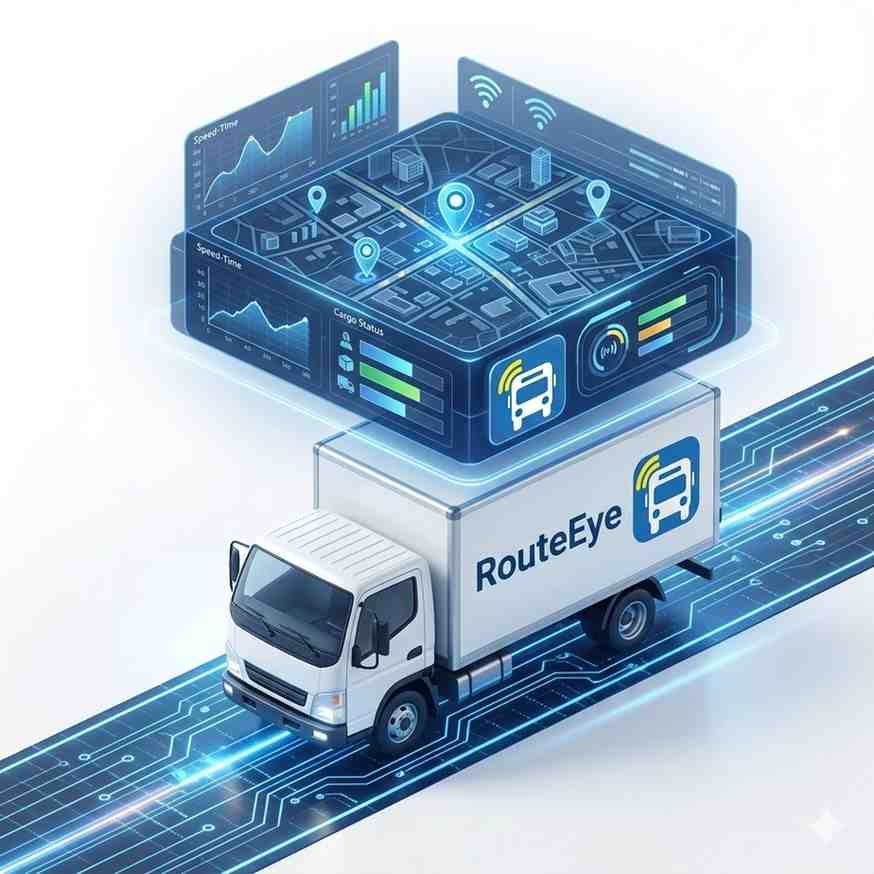
In the modern logistics and transportation landscape, “where is my shipment?” is no longer a question it is a data point updated every second. Real-time vehicle tracking systems have evolved from simple dots on a map into sophisticated fleet intelligence platforms.
But how does the magic happen? How does a truck moving through a remote highway appear instantly on a manager’s dashboard across the globe?
Here is a deep dive into the technology that powers real-time vehicle tracking.
The Three Pillars of Real-Time Tracking
To understand how these systems function, we must look at the three core technologies working in harmony: Global Positioning System (GPS), Cellular Networks, and Cloud Computing.
1. Step One: Satellite Triangulation (The Location)
Every tracking journey begins in space. A GPS tracking device installed in the vehicle communicates with the Global Navigation Satellite System (GNSS).
The device receives signals from at least four satellites to calculate the vehicle’s exact latitude, longitude, speed, and time. This process, known as trilateration, ensures that the location data is accurate within a few meters.
2. Step Two: Data Transmission (The Communication)
Once the device knows where it is, it needs to tell the server. This is where the “real-time” element comes in.
The tracking device contains a SIM card, much like a smartphone. It uses cellular networks (4G, 5G, or LTE) to transmit the gathered location data. In advanced systems like RouteEye, the device doesn’t just send coordinates; it also transmits critical “telematics” data, such as:
- Engine Diagnostics: Fuel levels and battery health.
- Driver Behavior: Instances of harsh braking, rapid acceleration, or speeding.
- Sensors: Cargo temperature (crucial for cold-chain logistics) and door status.
3. Step Three: Cloud Processing & Analytics (The Intelligence)
The cellular network delivers these data packets to a central cloud server. This is the “brain” of the operation. The server parses the raw data and instantly applies logic to it.
For example, if the vehicle crosses a digital boundary you’ve set (a Geofence), the server triggers an immediate alert. This is how managers know the moment a delivery reaches its destination or if a vehicle deviates from its planned route.
4. Step Four: The User Dashboard (The Visualization)
Finally, the processed information is displayed on a user-friendly interface. Fleet managers can log in via a web browser or mobile app to see their entire fleet moving in real-time. This interface provides:
- Live Map View: See exactly where vehicles are at any moment.
- Historical Playback: Review past routes to identify inefficiencies.
- Predictive Maintenance: Alerts based on engine health data to prevent breakdowns.
Why Real-Time Visibility Matters
Knowing the location of a vehicle is just the beginning. Implementing a real-time tracking system offers several transformative benefits:
- Operational Efficiency: Optimize routes on the fly to avoid traffic jams or road closures, reducing fuel waste.
- Enhanced Safety: Monitor driver behavior and send proactive alerts to prevent accidents before they happen.
- Customer Trust: Provide customers with precise ETAs and live tracking links, significantly improving the service experience.
- Asset Security: Instant alerts for unauthorized movement or route deviation help prevent theft and misuse.
Beyond Simple Tracking
A real-time vehicle tracking system is no longer a luxury; it is a fundamental tool for any business managing a fleet. By combining satellite precision with cloud intelligence, platforms like RouteEye empower organizations to move away from reactive management and toward a proactive, data-driven future.
Whether you are managing a handful of delivery vans or a massive global logistics operation, understanding the “how” behind the tracking is the first step toward mastering your fleet’s performance.
You must be using many real-time tracking applications for Ride, Food-Delivery, School buses, City buses etc. Have you ever imagined how real-time vehicle tracking works.?
